MFNY Classics - Respecting the Roots
The MFNY Classics line is not about borrowing names or chasing nostalgia. It’s about preservation, restoration, and respect…
By Ian Dyche: Head of Operations, Cultivation, and Processing
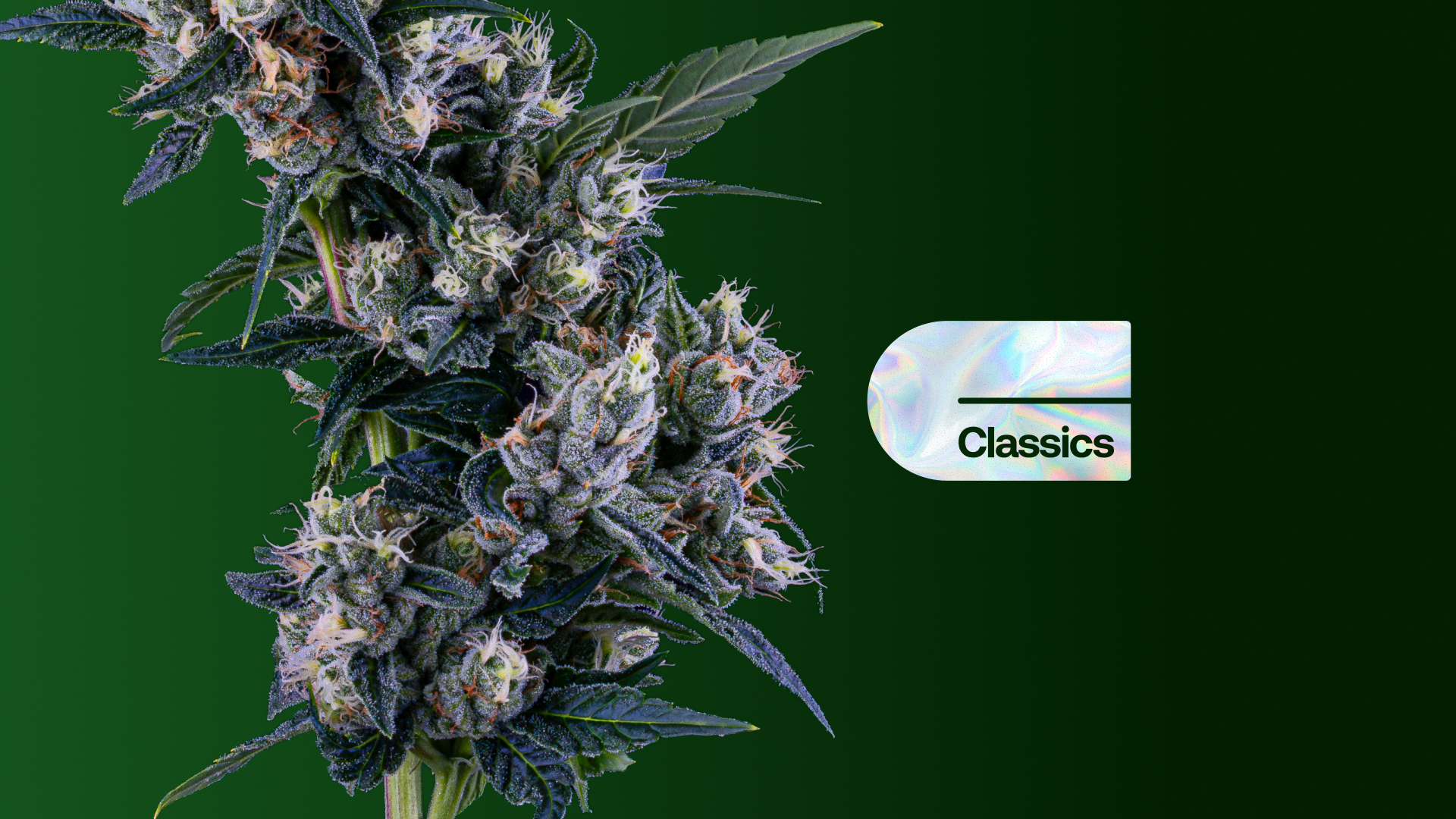
The MFNY Classics line is an homage to the decades of work breeding, preserving, and showcasing incredibly influential varieties from the early days of the modern cannabis scene in America. As the market has shifted toward novelty and candy-forward cultivars, MFNY chose to look backward with intention — toward the strains that defined eras, scenes, and personal experiences.
Playing Hard to Get
Generally speaking, actual, healthy clones of these cultivars are very hard to come by. Mainly because once their intense popularity wore down, many growers moved on to the new ‘it’ cultivar, and eliminated it from their respective libraries. So really only a small group of strain collectors have the bandwidth to keep all of these heirloom varieties for years and years. This makes overall scarcity the #1 challenge. The second challenge is longevity: keeping a cultivar that is 30+ years old healthy enough to grow large batches. Oftentimes, you’ll hear growers speak of old cultivars getting ‘tired’ or ‘runting’ which is a very real occurrence; because the longer a cultivar is alive, the more likelihood that it will get overrun with viruses that erode overall plant vigor over the years.
Clone Zero to Hero
MFNY’s approach is different because the plants I’m procuring are known as ‘clone zero’. Apical meristem dissection, which is a tissue culture propagation method, is a very complex way in which to propagate plants, but the process, when done correctly, also has the potential to ‘clean or rid’ the plant of harmful viruses and vectors. This practice is also done at modern day wineries that are planted with ‘clone zero’ vines to ensure healthy planting stock. Orchids, too. Through this process, a completely new plant is eventually generated from the original donor plant’s DNA, that has the potential of being totally clean and healthy, with vitality restored. This is ultimately what gave me the confidence to build our mother stock from those clean plants and run production size batches.
Sour Diesel in Specific
As for the authenticity of our Sour Diesel, I have a unique perspective because during the Sour Diesel era here in New York, I was heavily in the wholesale cannabis scene on the West Coast where a very large percentage of New York-consumed Sour Diesel was being produced. The ‘Albany Sour Diesel’ that we have here at MFNY is one I have seen so many mountainsides planted with in the emerald triangle for years and years. You could probably assume that if you consumed Sour Diesel in New York during that original time frame, there was a very high likelihood it was the one we now have at MFNY.
Look vs Taste
“Experienced” consumers often complain of modern day cannabis being ‘too weak’ or not as potent as the strains of yesteryear that they remember nostalgically.
This could be true-ish if we consider that modern day cannabis was bred with appearance being at the top of all priorities, kind of like produce at a supermarket. While it may seem odd that the appearance of flower would win vs. potency, consider how you first look at produce at a supermarket, then make a judgement yourself as to whether or not the piece of fruit will taste the way it should. The same mentality goes for cannabis, so one could assume that maybe somewhere along the line potency fell off in favor of looks in a few modern day cultivars, namely this "candy" era that we have been stuck on for about 8 years (Runtz, Gelatos, etc.)
Why We’re Doing This
The MFNY Classics line is not about borrowing names or chasing nostalgia. It’s about preservation, restoration, and respect. Our specialty is bringing foundational cultivars back to life through careful sourcing and the latest tools, to deliver a nostalgic, yet new, experience through modern day product offerings. As MFNY moves forward with Classics, these strains aren’t throwbacks, but living proof of where cannabis has been, why it still matters, and new ways to consume it.
See Our Classics Products
Keep reading
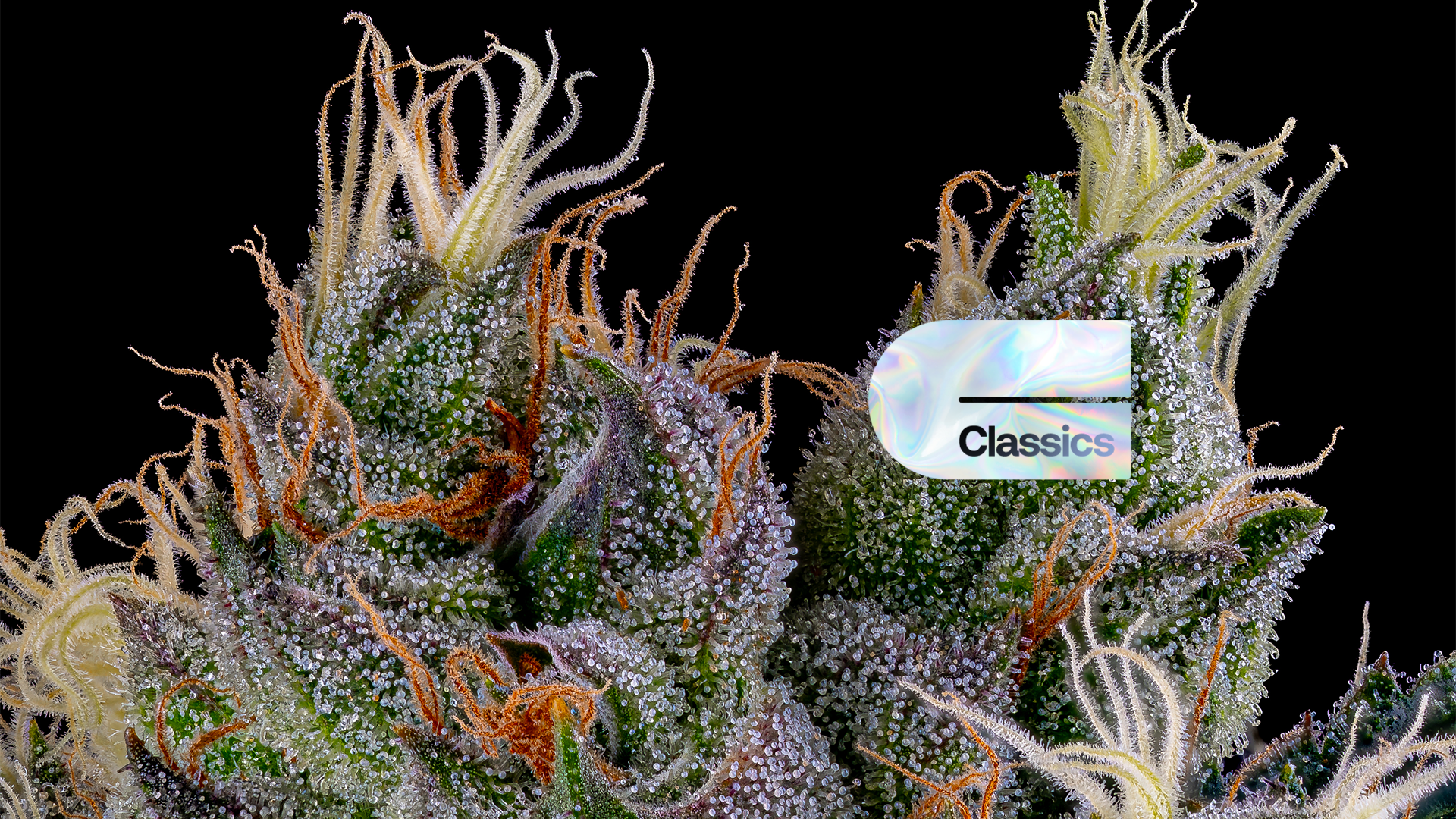
Chemdog is one of the godfathers of modern cannabis history and the second of the MFNY Classics that pay homage to the strains that shaped modern cannabis — and the highs they first brought us.

Our mouth-watering gummies are unlike any other edibles you've tried. Because our vegan, full-spectrum, cultivar-specific gummies are infused with MFNY’s premium live rosin extract as opposed to distillate. Distillate (crude cannabis oil from dried plants) lacks the concentration of terpenes and cannabinoids…

Through rigorous research and phenotype hunts, our team has provided a delicious group of terpenes that need no altering. Which means you get clean, unaltered cannabis compounds delivered directly to your endocannabinoid system (think of tinctures as a “nonstop flight” for terps).

We’ve all heard the term “farm-to-table.” At MFNY we’re “seed-to-shelf” which makes us a uniquely Single Source cannabis operation. That means we actively and exactingly manage and oversee every process from cultivation to processing to distribution at the dispensaries.
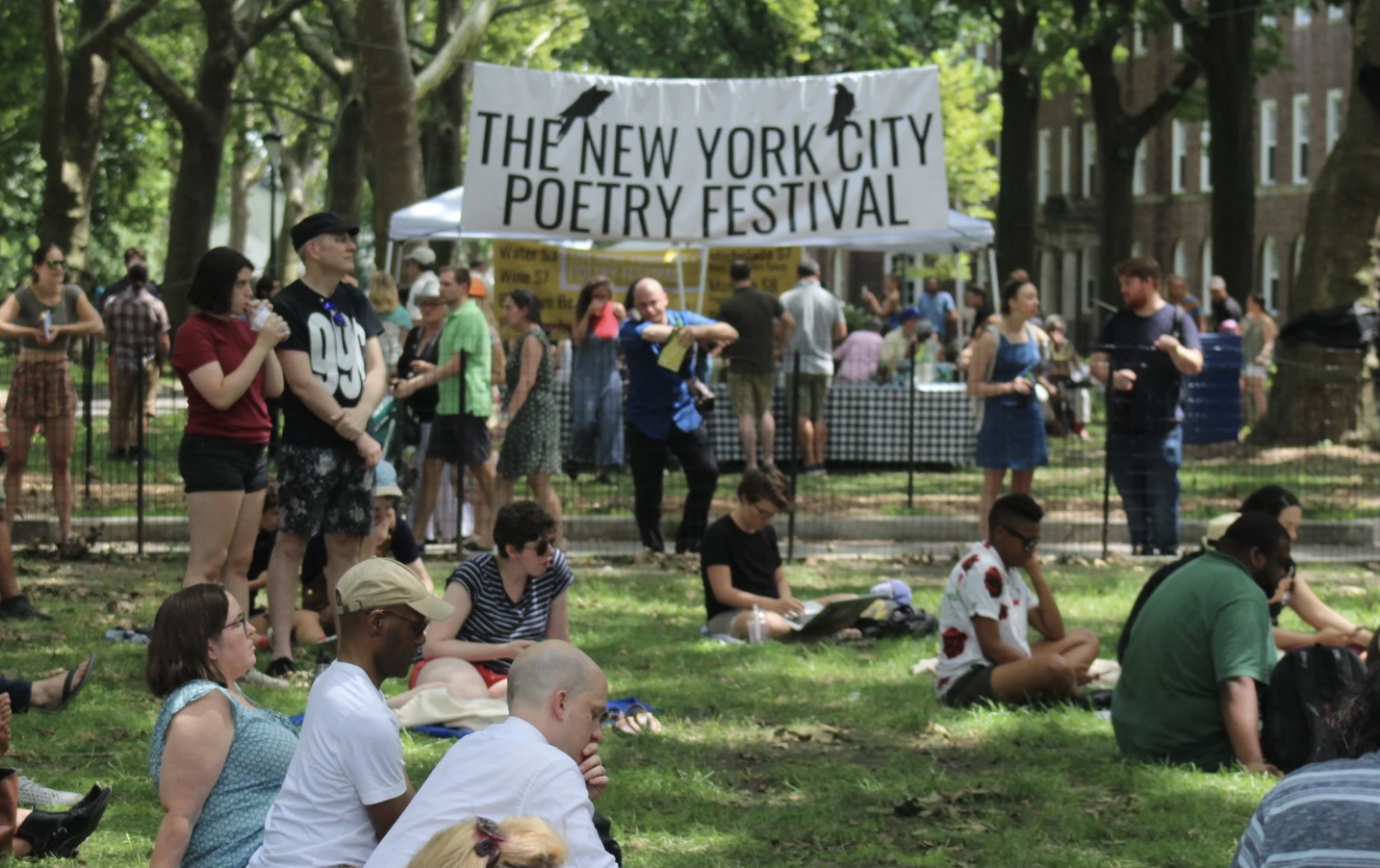
We were proud to support MF-ing creativity during a wild weekend of wordplay on Governor's Island. Read how cannabis and creativity connected at The 14th Annual New York City Poetry Festival.

Most brands use dissatisfying distillate in their non-flower products (gummies, vape pens, etc.). MFNY is the only NY brand that uses concentrated live rosin and live resin in all of our non-flower products...